
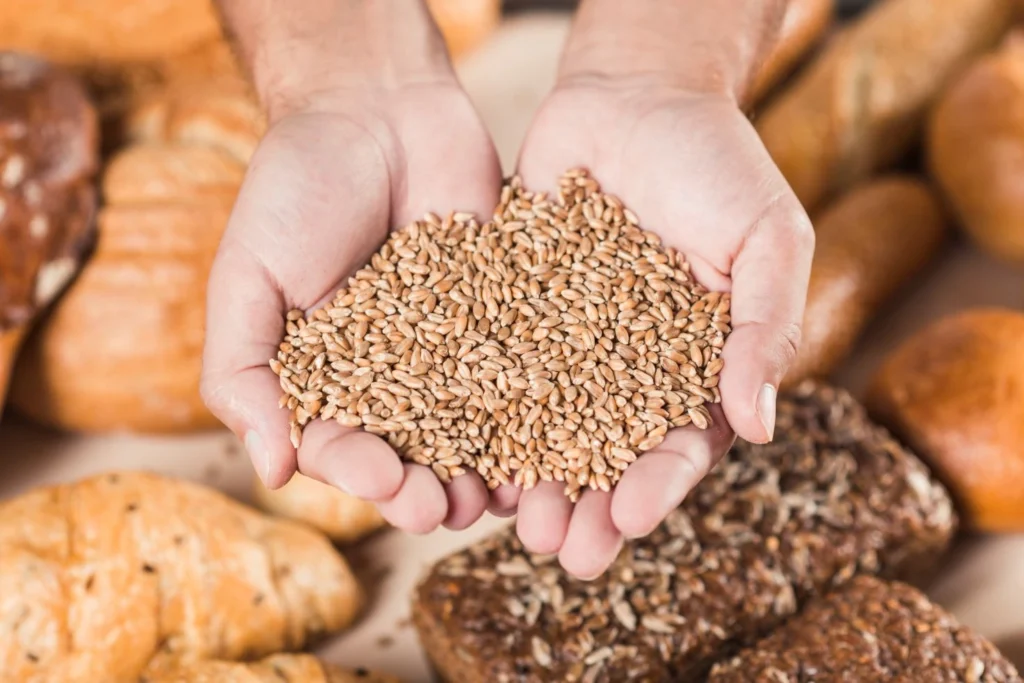
In recent years, the term gluten-free has appeared more frequently in the world of food and healthy lifestyles. Many food products now carry a “gluten-free” label, ranging from bread and cakes to noodles. But what exactly is gluten, and why do some people choose to avoid it? Understanding gluten is important not only for those with certain health conditions, but also for anyone who wants to better understand the food they consume daily.
This article will discuss what gluten is, food sources that contain gluten, its effects on the body, and who should follow a gluten-free diet.
What Is Gluten?

Gluten is a type of protein naturally found in certain grains, especially wheat and other cereals. This protein plays an important role in giving elasticity and structure to dough. When flour is mixed with water and kneaded, gluten forms a protein network that makes the dough flexible and easy to shape. This is why gluten is widely used in food products such as:
- bread
- noodles
- pasta
- cakes
- fried foods
- various other products
Without gluten, dough tends to be more fragile and less elastic. This is one of the reasons why wheat has become a highly popular ingredient in the global food industry.
5 Food Sources That Contain Gluten
Gluten is mainly found in certain types of grains. One easy way to remember gluten sources is through the acronym BROWS:
- B – Barley
Barley is commonly used in food products such as cereals, soups, and some fermented beverages. - R – Rye
Rye is typically used in traditional breads in several European countries. - O – Oats
Oats are naturally gluten-free, but they are often subject to cross-contamination during processing or packaging because they are handled in facilities that also process wheat. - W – Wheat
Wheat is the most common source of gluten and is widely used in products such as bread, noodles, pasta, and cakes. - S – Spelt
Spelt is an ancient variety of wheat that still contains gluten, although it is often considered a more natural alternative.
Because many food products use these ingredients, gluten is very commonly found in everyday foods.
The Origin of the Term “Gluten-Free”
The term gluten-free originally emerged in the medical field, particularly in relation to the treatment of certain digestive system disorders. At first, a gluten-free diet was introduced as part of therapy for individuals with Celiac Disease, an autoimmune condition triggered by the consumption of gluten. In this condition, the immune system reacts to gluten and causes damage to the small intestine.
Over time, research and clinical experience showed that not only people with celiac disease experience issues with gluten. Some individuals also report certain symptoms after consuming foods that contain gluten. This led to the gluten-free diet becoming more widely recognized and adopted by a broader audience, including those pursuing a healthy lifestyle or with specific dietary needs.
Today, the gluten-free label is no longer limited to medical foods but has also become part of the healthy food trend in many countries.
Effects of Gluten on the Body
For most people, gluten is generally safe to consume and does not cause health issues. However, in certain conditions, gluten can trigger negative reactions in the body.
The effects may vary depending on each individual’s condition. Some symptoms commonly associated with gluten sensitivity include:
- bloating
- digestive issues
- headaches
- fatigue
- difficulty concentrating
However, it is important to remember that these symptoms are not always caused by gluten, so a proper medical diagnosis is still necessary to determine the exact cause.
Who Should Avoid Gluten?
Not everyone needs to follow a gluten-free diet. However, there are certain groups who are advised to limit or avoid gluten.
Gluten-Free Food Alternatives
For people who need to avoid gluten, the good news is that there are many naturally gluten-free food ingredients. Some examples include:
- rice
- corn
- cassava
- potatoes
- tempeh
- legumes
These ingredients can be processed into a variety of foods, including noodles, bread, and healthy snacks.
One innovation that has been growing is gluten-free noodle products made from local ingredients such as cassava, corn, and rice. Products like these allow people to continue enjoying favorite foods like noodles without consuming gluten. One example is gluten-free noodles from Freemie, developed by PT Lokal Komoditi Indonesia. This product is made from local food ingredients and formulated as a more suitable alternative for consumers who avoid gluten. With the increasing availability of gluten-free options, following a gluten-free diet has become easier and more enjoyable.
References
Some of the information in this article refers to general knowledge from health and nutrition literature, including:
- Mayo Clinic – explanation of gluten and celiac disease
- Harvard T.H. Chan School of Public Health – information on nutrition and gluten-free diets
- Celiac Disease Foundation – education on gluten and celiac disease